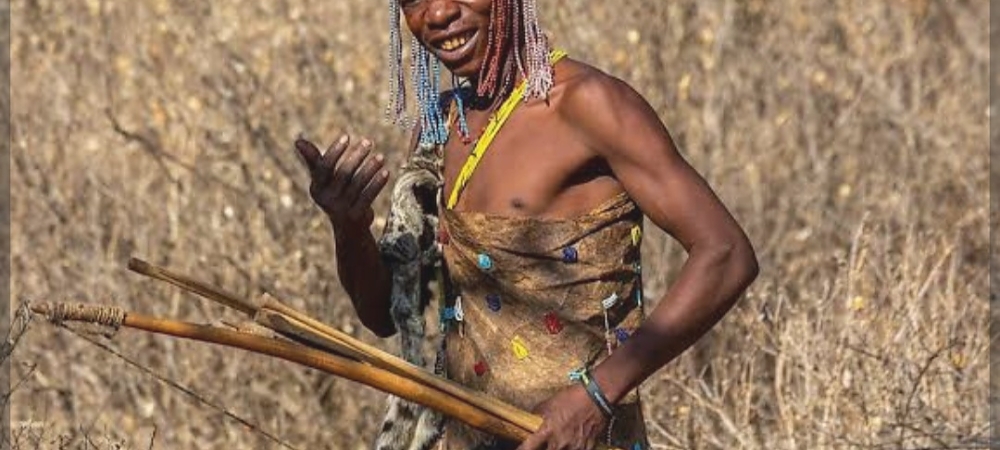
Hadzabe Bushmen and The fat Baobab tree
Customer reviews
4.7
-
Tour code
ATS84
-
Destination
Tanzania
-
Tour Type
Walking and Trekking
-
Duration
1 Day
-
Language
English
-
Can be Customized
Yes
About
James Michael Dorsey : is wondering, “What have I done?”After a fierce thunderstorm, my driver deposited me in a clearing and pointed into the bush. I began walking and almost immediately encountered a fat Baobob tree hung densely with animal skulls and hunters' bows, which had me wondering, "What have I done?" The tree marked the perimeter of the clan's territory, and its purpose was to transfer whatever power was embodied in the killed animal to the bow of the hunter. Upon realizing that not one of the skulls was human, I relaxed a bit.
In the lush rolling hills of the Serengeti plateau in western Tanzania, the last vestiges of our own ancestors still live as they did before recorded history.
Less than 1,000 Hadzabe are spread across the highland of the Great Rift Valley within view of the towering southern caldera of Ngorongoro Crater. At most, 300 of this clan still pursue lives as hunter/gatherers. They live apart from modern humanity. Visiting the clan is to enter a completely different reality.
No evidence exists to suggest the Hadzabe migrated from any other location. Even their language bears no resemblance to any other tongue. They have no chiefs and no social rules; disputes are settled by relocation. Marriage is arbitrary and can be entered into or abandoned at any time. Children are raised by the entire clan, regardless of parentage.
The only concessions to the modern world are the metal arrowheads and knives they acquire from neighboring tribes by trading game meat.
The Hadzabe Tribe live in the dry terrain near Lake Eyasi, south of Ngorongoro crater in Tanzania. They have existed in this region for over 3000 years.
The Hadzabe people are nomads and thus don’t live in the same place for long. They only set up camp for several days or even months and then when they have harvested the resources of their current location, they move to another area. Their moves are normally influenced by climate changes and the availability of wild fruits and vegetation for their animals. They build homes by weaving small huts out of sticks from the euphorbia bush.
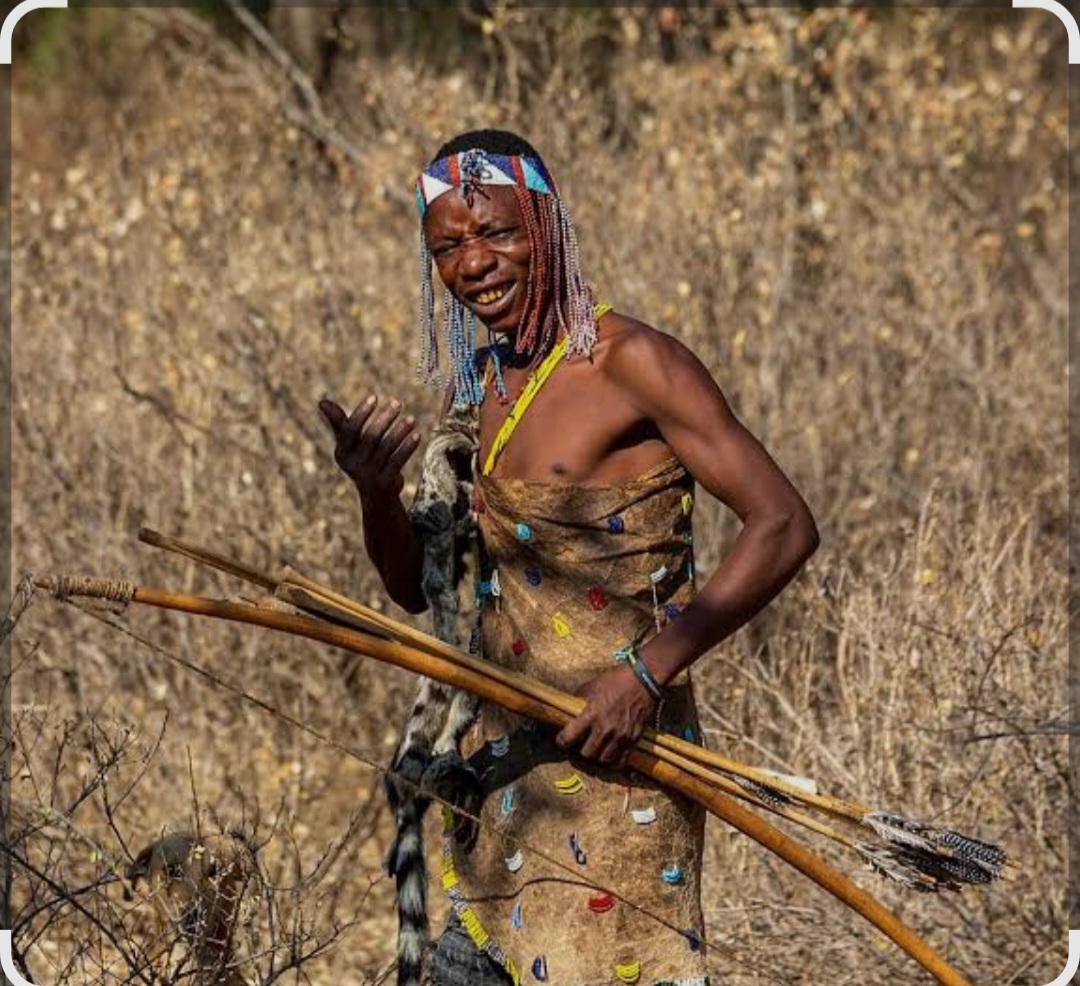
The Hadzabe use bows, arrows and spears to hunt for food.
They eat roots, meat, wild fruits and use alternative medicine to treat their illnesses. They utilize sticks and grass to start fires. Their unique lifestyle makes a stay with them an interesting and stimulating experience.
What to do
.Learn
.Observe
.Experience
Later Drive back to Karatu
- Lunch included.
Photos
Policy
Price Includes / Excludes
- An al fresco breakfast .or bush diner
- Luxury accommodations and all meals.
- A highly-credentialed AGAMA TOUR Director and Driver-Guide during your journey
- 24/7 Concierge AGAMA is poised to meet last-minute, unexpected, and unusual requests.
- A variety of activities, individualized for you by your Safari Director at every safari location.
- Every last gratuity, even substantial ones to Safari Directors, Driver-Guides, waiters, porters… and everyone else, from beginning to end of your safari.
- Regional wine and beer at mealtimes, vehicles stocked with soft drinks and bottled water.Regional wine and beer at mealtimes, vehicles stocked with soft drinks and bottled water.
- Daily valet laundry service. You can pack less and even return home with a bag of clean clothes… now that’s luxury!
- Complimentary in-vehicle Wi-Fi as well as free Wi-Fi wherever else it exists on safari, including camps and lodges
- All airport transfers, game park, national park, and conservancy fees.
- Extensive safety protocols perfected by 15 years of on-the-ground expertise.
- Sublime safari swag! Bush hats, specially designed AGAMA TOUR duffels, luggage tags, document wallets, flashlights, and more.
- For every guest on safari, AGAMA TOUR sends an African child to school through our Agama charity
Rates in US$
| Season | 1 Pax | 2 Pax | 3 Pax | 4 Pax | 5 Pax | 6 Pax + | SRS |
|---|---|---|---|---|---|---|---|
| 225 | 225 | 225 | 225 | 225 |
Reviews
Overall rating
4.9
Review summary
-
Transportation:
4.5
-
Value for money:
4.5
-
Support services:
4.5
-
Organization:
4.0
Maybe you like
-
4-Day Luxury Ol Doinyo Lengai & Lake Natron Safari with Optional Helicopter Experience
4 Days Mountain Climbing, Walking and Trekking -
-
-

-
Serengeti Guided walking safari
2-3 hours Adventure Safaris, Walking and Trekking, Eco and Cultural Tourism -
Tarangire Night game drive -An after-dark safari experience
1 Night Adventure Safaris, Mountain Climbing, Walking and Trekking